The global forex market is the largest and most liquid financial market in the world, with daily turnover exceeding $7 trillion. One of the key dynamics shaping this landscape is how hedge funds influence forex liquidity. While retail traders account for a small portion of this volume, hedge funds play a major role in driving liquidity, volatility, and even short-term price direction.
Understanding how hedge funds operate and their influence on forex can help traders anticipate market moves and adapt their strategies.
What Are Hedge Funds in the Forex Context?
Hedge funds are private investment vehicles that pool capital from accredited investors and institutions. They have broad flexibility to deploy aggressive and diverse trading strategies, including:
- Currency speculation for profit.
- Macro trades based on economic and political developments.
- Arbitrage opportunities across different markets.
- Leverage to amplify gains (and losses).
In forex, hedge funds trade both spot currency markets and derivatives such as futures, forwards, and options.
How Hedge Funds Add Liquidity to the Forex Market
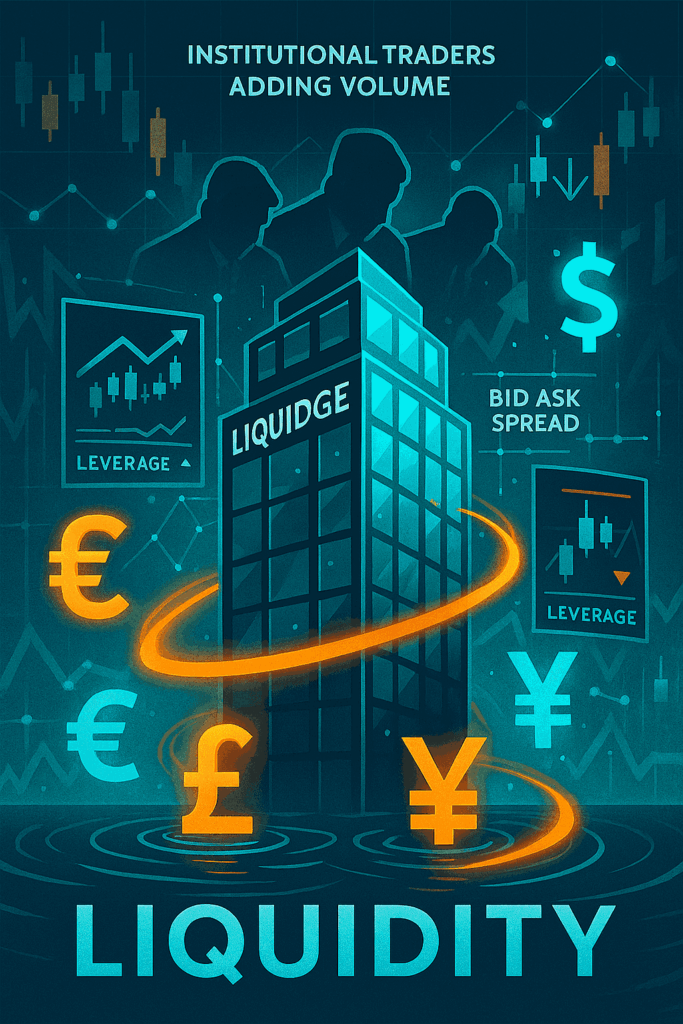
Liquidity in forex refers to the ease with which traders can buy or sell a currency without causing significant price changes. Hedge funds contribute liquidity in several ways:
- Large-Volume Trades
Hedge funds trade in massive amounts, often in the hundreds of millions of dollars, which adds to market depth. - Market-Making Activity
Some hedge funds operate like market makers, continuously quoting buy and sell prices, which helps maintain tighter bid-ask spreads. - Diversified Time Horizons
By engaging in both short-term and long-term trades, hedge funds ensure there is activity across various timeframes, stabilizing liquidity throughout the trading day.
Impact on Volatility
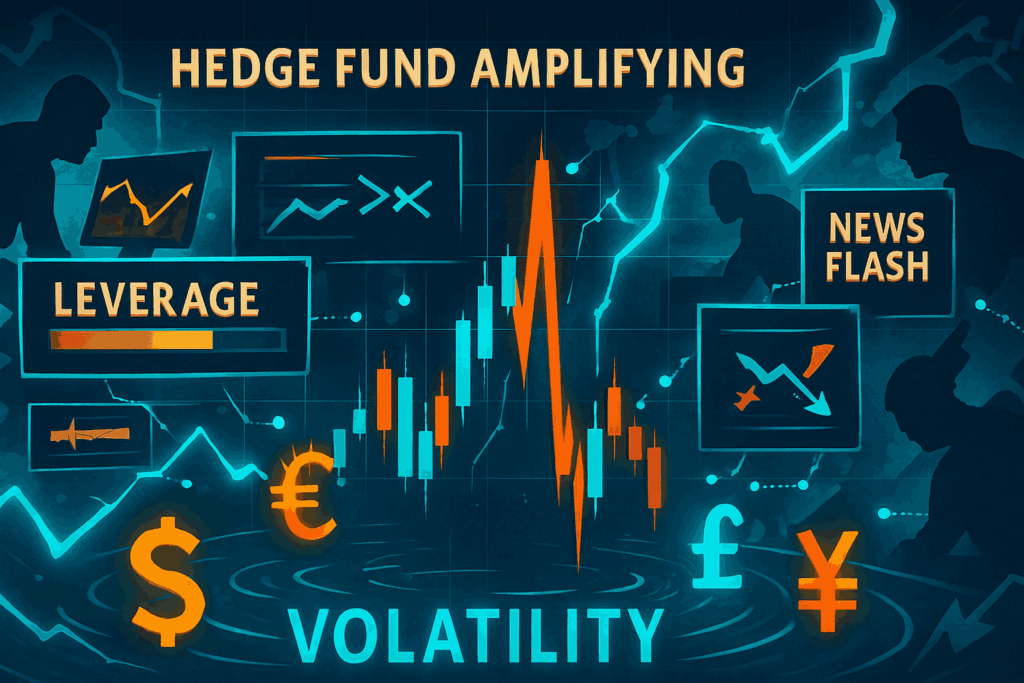
While hedge funds add liquidity, they can also amplify volatility:
- Large speculative positions can cause sudden price swings if unwound quickly.
- Momentum-driven strategies can push currency prices beyond what fundamentals suggest.
- Algorithmic trading by hedge funds can react instantly to news, creating rapid market moves.
A prime example is the 2015 Swiss franc shock, where leveraged hedge fund positions magnified the currency’s sharp appreciation after the Swiss National Bank abandoned its euro peg.
Hedge Fund Trading Strategies in Forex

- Global Macro
Betting on currency moves based on macroeconomic trends, interest rate changes, and geopolitical events. - Carry Trades
Borrowing in a low-interest currency (like JPY) to invest in a higher-yielding one (like AUD), aiming to profit from the interest rate differential. - Event-Driven Trades
Positioning ahead of political events, central bank announcements, or economic data releases. - Algorithmic & Quantitative Trading
Using models to detect short-term opportunities, often executing thousands of trades within seconds.
The Double-Edged Role in Market Stability
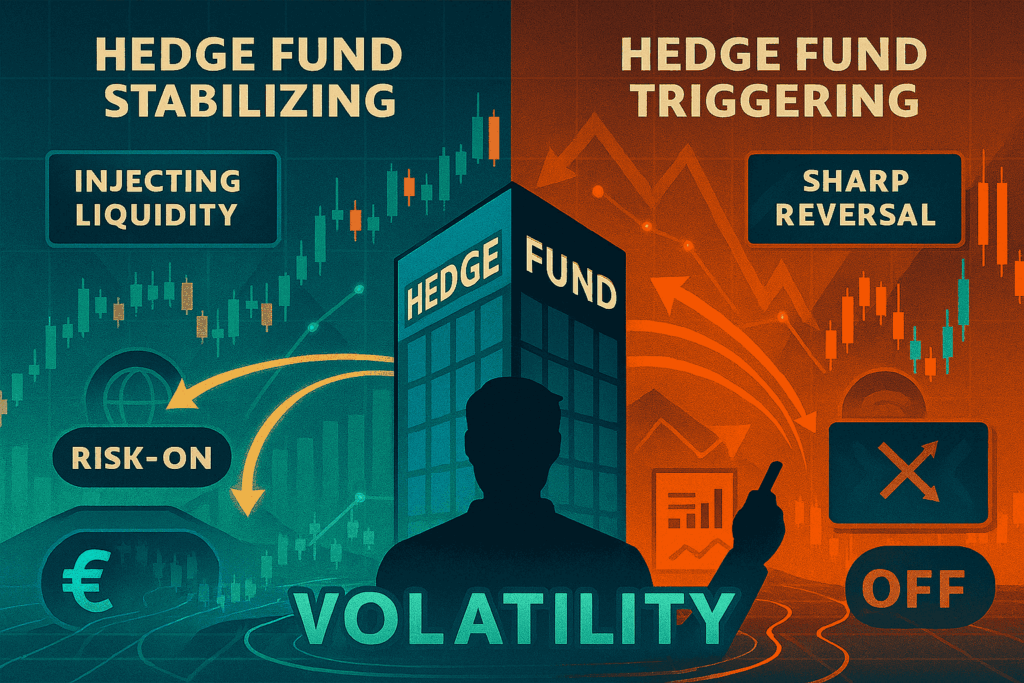
Hedge funds can act as stabilizers or disruptors in the forex market:
- Stabilizing: By stepping in as buyers or sellers during thin liquidity periods.
- Disrupting: By exiting positions en masse, causing sharp reversals.
For instance, during crises, hedge funds may reduce positions to manage risk, temporarily draining liquidity and increasing volatility.
How Retail Traders Can Track Hedge Fund Activity
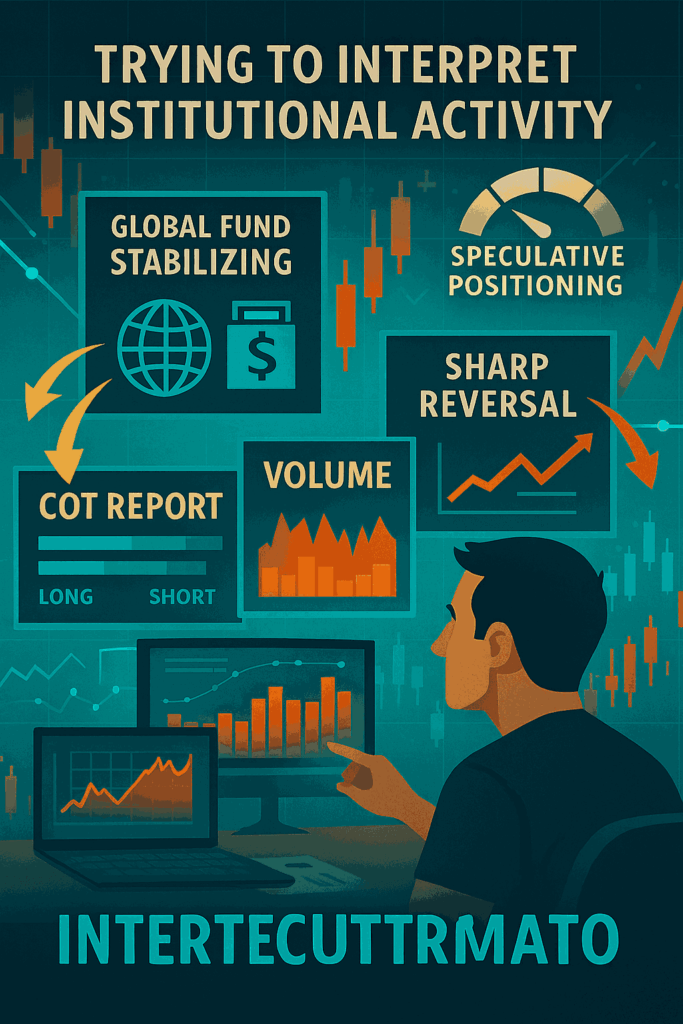
While hedge funds don’t disclose every move, traders can monitor:
- CFTC’s Commitment of Traders (COT) Report shows net speculative positions.
- Price and volume patterns in major currency pairs.
- Correlation with risk sentiment hedge funds often follow global equity and bond market trends.
Final Thoughts
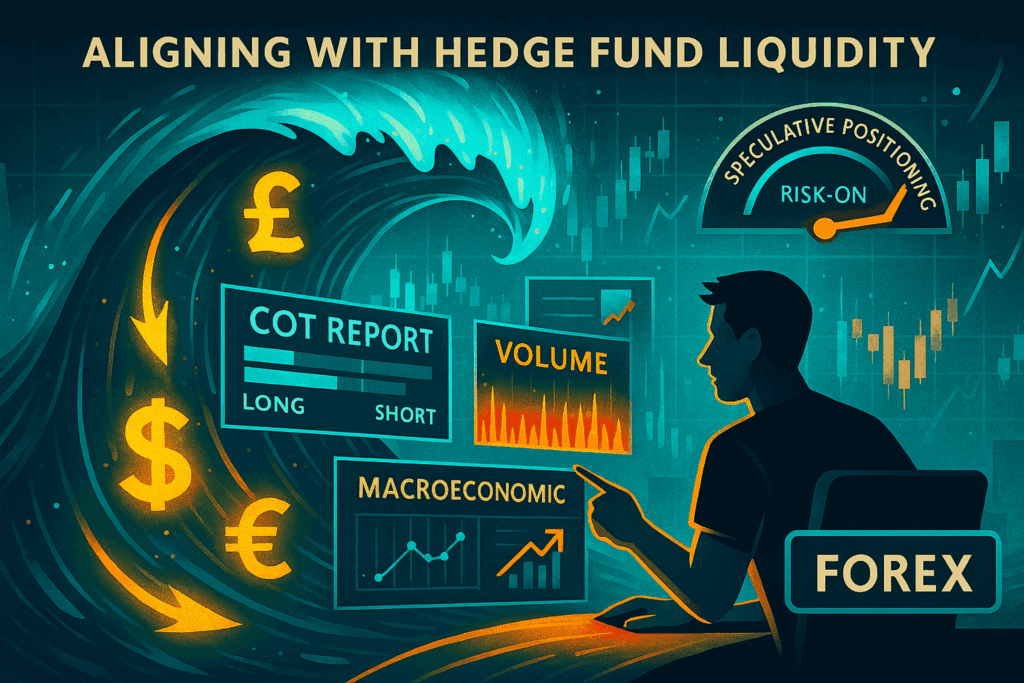
Hedge funds are a driving force in forex liquidity and price movement. Their vast resources, sophisticated strategies, and willingness to take large positions make them both a source of opportunity and a cause of risk for other market participants.
For retail traders, understanding how hedge funds operate and spotting signs of their positioning can provide a crucial edge. By aligning strategies with the liquidity flows these institutions create, traders can improve their timing, reduce slippage, and navigate forex markets more effectively.