In the dynamic world of forex trading, the USD/JPY currency pair holds a unique place. It is not only a measure of the relative economic health of the United States and Japan but also one of the most reliable indicators of global risk sentiment. By understanding how and why this pair moves, traders can gain valuable insight into the mood of global markets from optimism and risk-taking to caution and fear.
Why the USD/JPY Is Special

The USD/JPY is the second most traded currency pair in the world, only behind EUR/USD. The U.S. dollar serves as the primary reserve currency, while the Japanese yen has historically been a safe-haven currency due to Japan’s trade surplus, political stability, and strong domestic savings.
Unlike many currency pairs that respond primarily to domestic economic data, the USD/JPY is heavily influenced by investor psychology. Market participants often use it as a gauge of whether capital is flowing toward risky assets or seeking safety.
The Risk-On / Risk-Off Dynamic
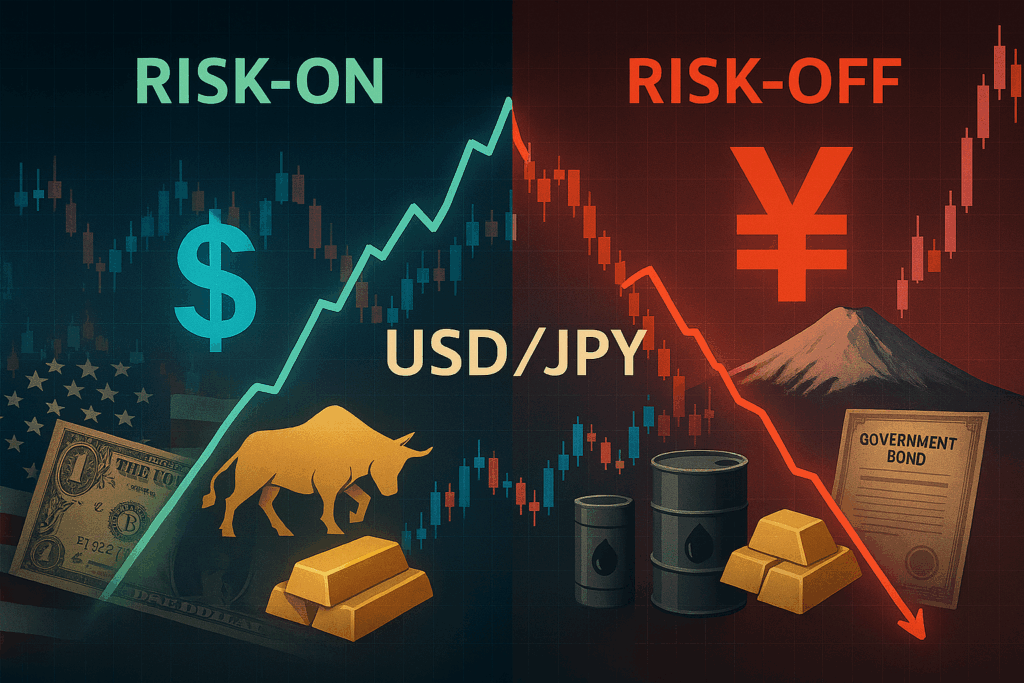
One of the most important concepts in global markets is the risk-on/risk-off cycle:
- Risk-On: When investors are optimistic about economic growth, corporate earnings, and geopolitical stability, they tend to move capital into higher-yielding assets equities, commodities, and emerging market currencies. In this phase, the yen often weakens as Japanese investors send funds abroad for better returns, pushing USD/JPY higher.
- Risk-Off: When uncertainty rises due to financial crises, geopolitical tensions, or unexpected economic shocks investors retreat into safer assets. The yen strengthens as funds flow back into Japan or into Japanese government bonds, pushing USD/JPY lower.
This inverse relationship between risk sentiment and the yen’s strength is why the USD/JPY often acts as a “fear gauge” in the currency market.
Key Drivers of USD/JPY Sentiment Shifts
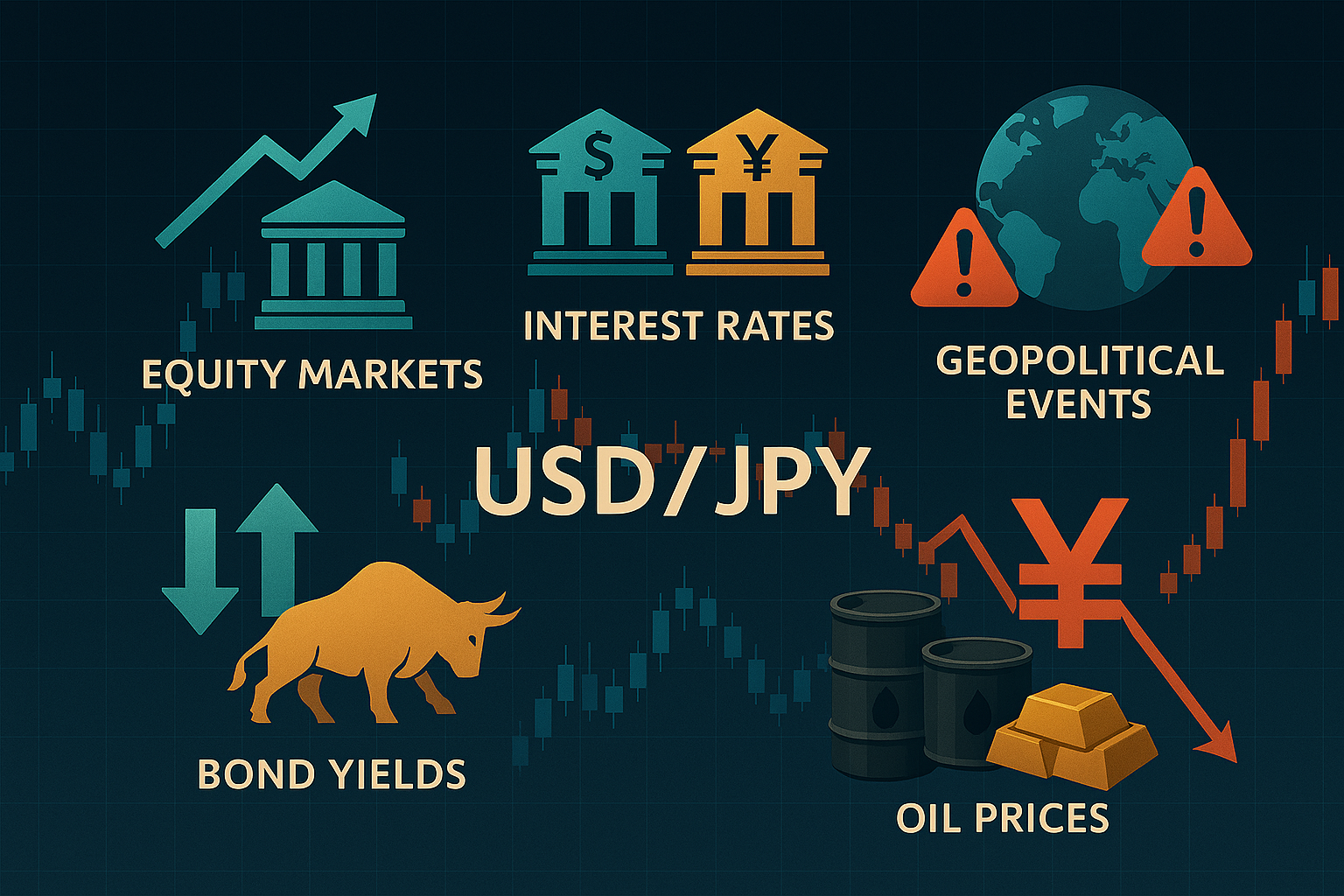
While risk sentiment is the underlying theme, several specific factors influence the pair:
- Global Equity Markets
Strong rallies in the S&P 500, Nikkei 225, or other major indices typically signal optimism and may weaken the yen. Conversely, equity sell-offs often coincide with yen strength. - Interest Rate Differentials
The Federal Reserve and the Bank of Japan often follow very different monetary policies. When the Fed raises interest rates while the BOJ keeps them low, the yield advantage of the U.S. dollar increases, attracting capital and pushing USD/JPY higher. - Geopolitical Events
Wars, trade disputes, or natural disasters can trigger safe-haven flows. The yen is often one of the first beneficiaries when geopolitical tensions rise. - Bond Market Movements
U.S. Treasury yields play a critical role. Rising yields make USD assets more attractive, while falling yields reduce the dollar’s advantage over the yen. - Commodity Prices
High oil prices can negatively impact Japan’s trade balance (since it imports much of its energy), which can weaken the yen. Conversely, falling oil prices can strengthen it.
Historical Examples of Risk Sentiment in USD/JPY
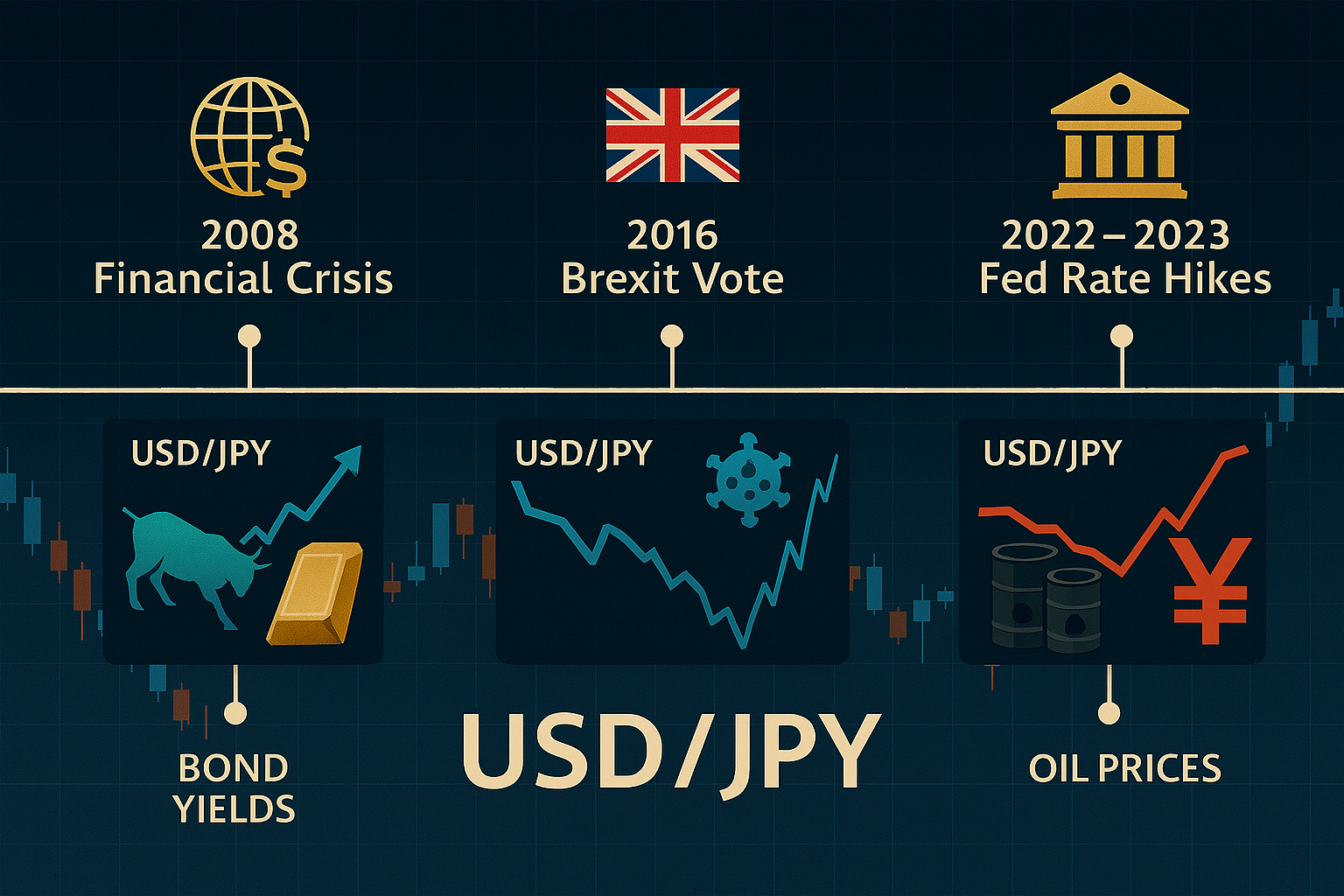
- 2008 Global Financial Crisis: As fear gripped markets, the yen surged sharply against the dollar, sending USD/JPY from above 110 to below 90 in just months.
- 2016 Brexit Vote: Unexpected results triggered a rapid risk-off move, strengthening the yen.
- 2020 COVID-19 Market Panic: In early March 2020, USD/JPY plunged as investors rushed into safe-haven assets.
- 2022–2023 Rate Hike Cycle: Aggressive Fed rate hikes widened the U.S.-Japan interest rate gap, pushing USD/JPY to multi-decade highs despite occasional risk-off episodes.
How Traders Use USD/JPY to Read the Market
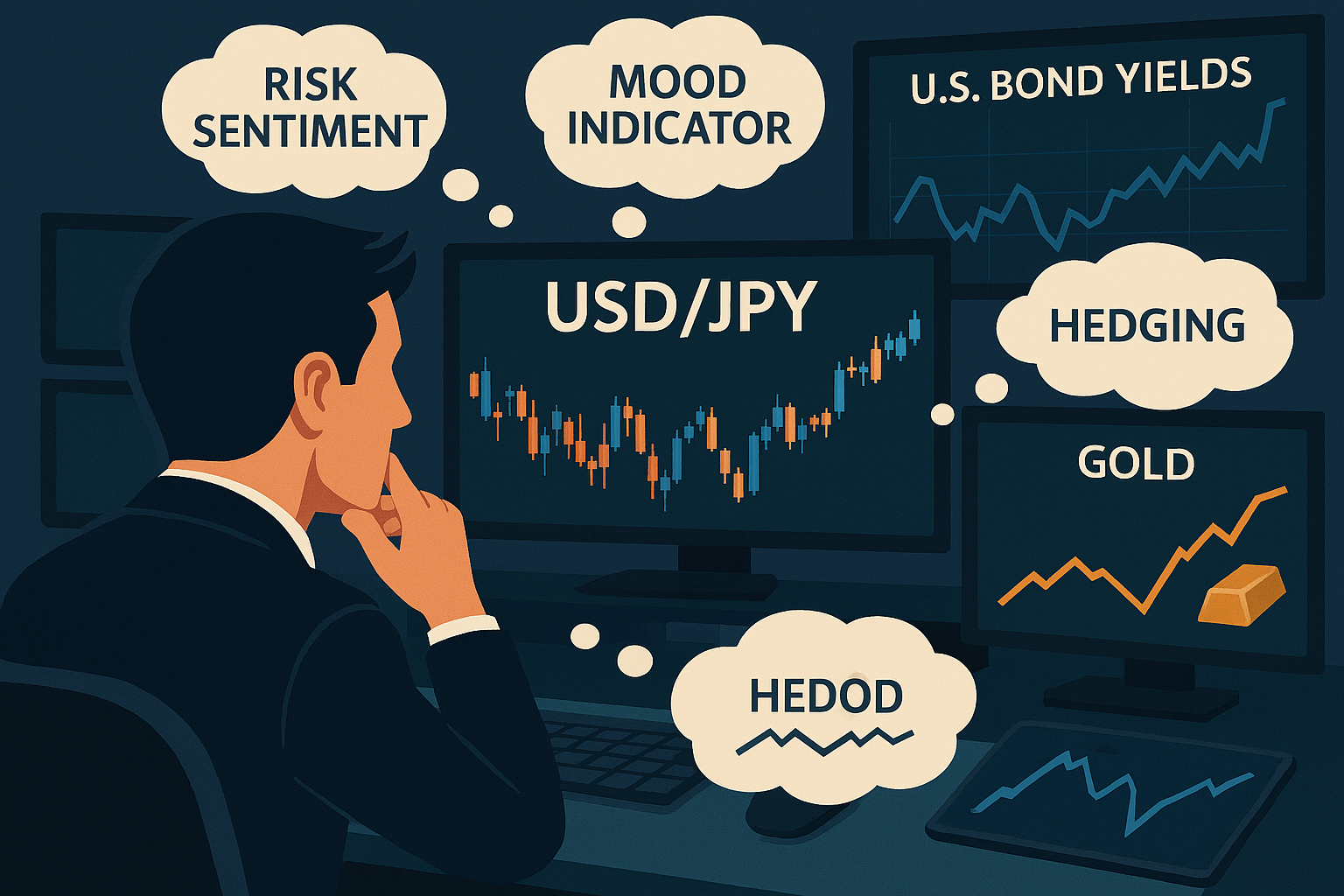
Many experienced traders treat USD/JPY as a “mood indicator” for global markets. Here’s how:
- Leading Risk Signal: Sharp yen strength often precedes wider sell-offs in equities and other risk assets.
- Cross-Asset Strategy: Some traders use USD/JPY movements to confirm signals in stock indices, bond markets, or commodities.
- Hedging Tool: Investors with exposure to Japanese equities or bonds often use USD/JPY positions as a hedge against global volatility.
Tips for Trading USD/JPY with Risk Sentiment in Mind
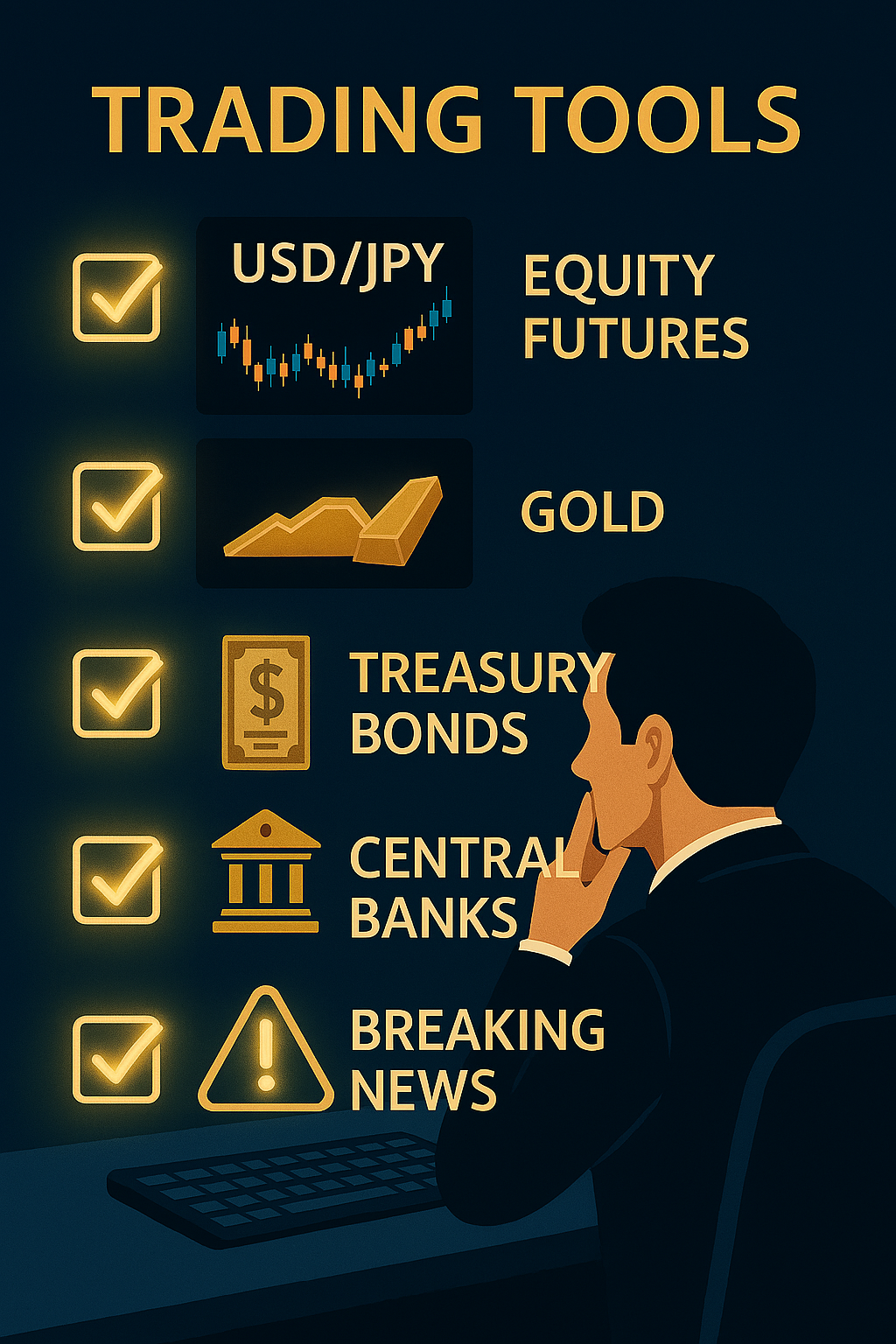
- Monitor Equity Futures: Overnight moves in U.S. and Japanese equity futures can foreshadow USD/JPY direction.
- Track Safe-Haven Flows: Watch gold prices, U.S. Treasury yields, and the Swiss franc for confirmation of risk sentiment.
- Follow Central Bank Communications: Fed and BOJ policy divergence can magnify sentiment-driven moves.
- Stay Aware of Global Headlines: Geopolitical events can trigger sudden, sharp movements.
Final Thoughts

The USD/JPY is much more than a measure of U.S.-Japan economic relations. It is a window into the collective psychology of global investors. By understanding the risk-on/risk-off behavior embedded in this pair, traders can better position themselves for changing market conditions.
Whether you are a short-term day trader or a long-term investor, watching USD/JPY can provide a valuable edge not just for trading the pair itself, but for anticipating moves in the broader financial markets.