The US dollar is the most traded currency in the world, serving as a benchmark for global commerce and finance. But to understand its overall strength or weakness, traders often look beyond individual currency pairs and turn to the US Dollar Index (DXY). This powerful tool tracks the performance of the dollar against a basket of major currencies, offering a broader picture of market sentiment and economic trends.
For forex traders, the DXY can be a crucial guide when making trading decisions – whether that’s determining directional bias, spotting market turning points, or managing risk.
What Is the US Dollar Index (DXY)?
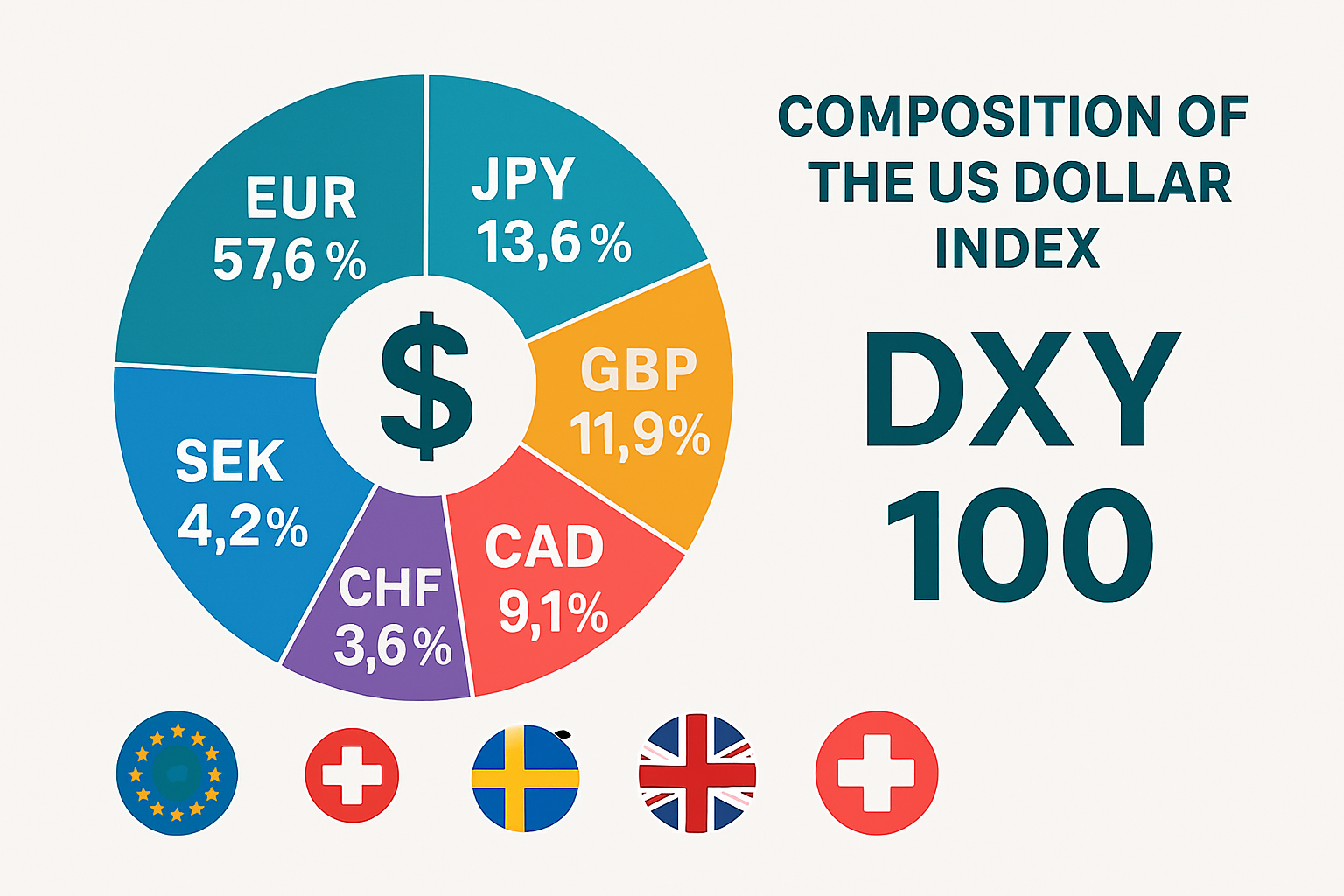
The US Dollar Index measures the value of the US dollar against six major world currencies:
- Euro (EUR) – 57.6% weighting
- Japanese Yen (JPY) – 13.6% weighting
- British Pound (GBP) – 11.9% weighting
- Canadian Dollar (CAD) – 9.1% weighting
- Swedish Krona (SEK) – 4.2% weighting
- Swiss Franc (CHF) – 3.6% weighting
The index was created in 1973 by the US Federal Reserve with a base value of 100. A reading above 100 means the dollar is stronger than it was in 1973, while a reading below 100 indicates weakness.
Why the DXY Matters in Forex Trading
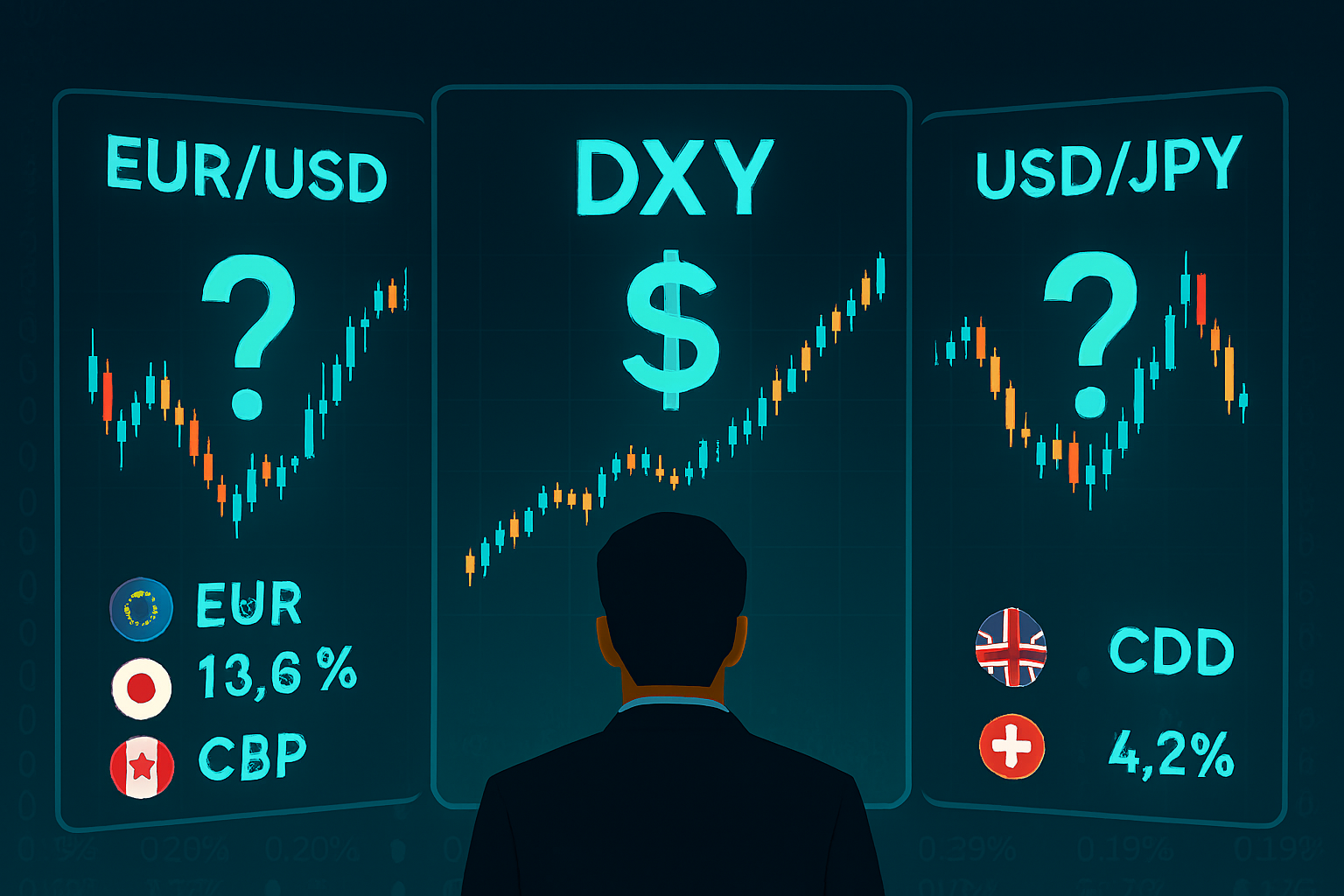
Most forex traders focus on individual currency pairs, but this can sometimes give a narrow or misleading view. For example, USD may be rising against the yen but falling against the euro, making it harder to judge its true strength. The DXY solves this problem by providing a composite snapshot of the dollar’s performance.
Key benefits for traders include:
- Market Sentiment Indicator: A rising DXY generally reflects confidence in the US economy and a risk-on sentiment toward USD assets.
- Directional Bias: If DXY is trending upward, traders may favor long USD positions in related pairs like USD/JPY, USD/CHF, or USD/CAD.
- Correlations: The DXY often moves inversely to commodities like gold and oil, providing additional clues for multi-asset traders.
Using the DXY in Trading Strategies
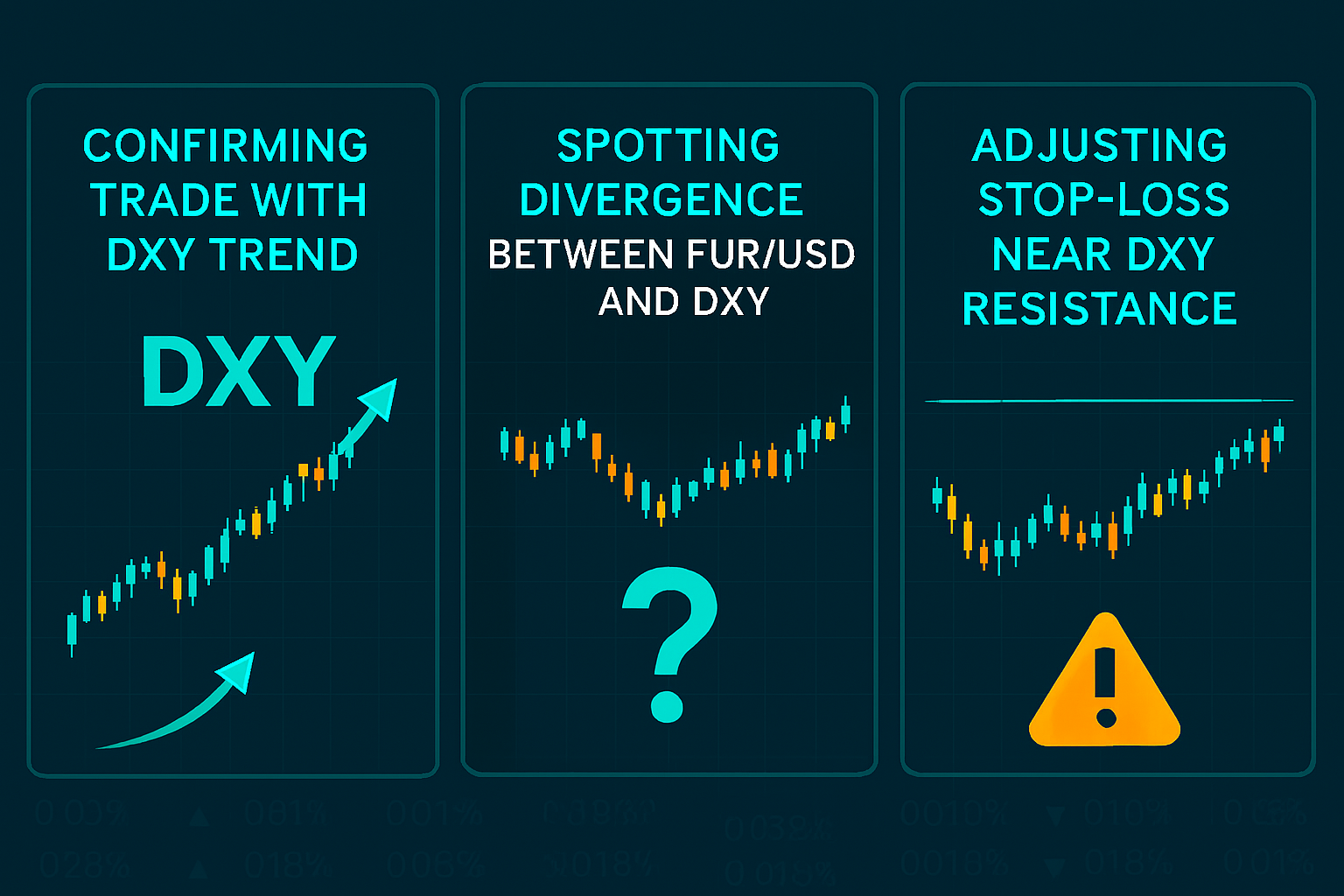
1. Confirming Trade Setups
Suppose you’re looking to buy USD/JPY. If the DXY is also trending higher, it confirms dollar strength across multiple currencies — adding conviction to your trade.
2. Spotting Divergences
If EUR/USD is falling but the DXY is flat or declining, it may signal that euro weakness is driving the move rather than broad USD strength. This can help traders avoid false signals.
3. Risk Management
If the DXY reaches a major support or resistance level, traders might tighten stop-losses or reduce position sizes in USD-related pairs, anticipating possible reversals.
Historical Impact of the DXY
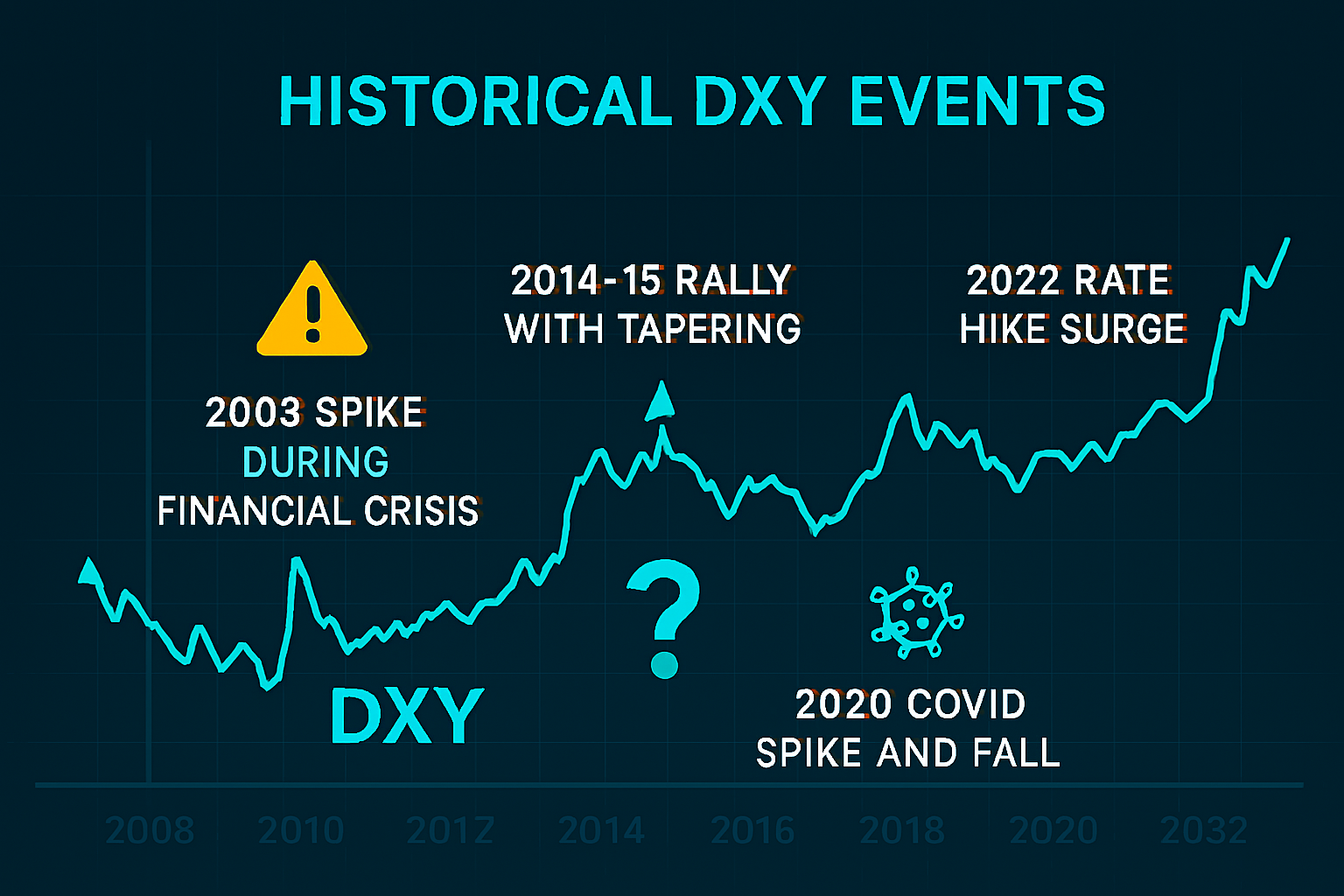
- 2008 Financial Crisis: DXY surged as investors flocked to the dollar for safety.
- 2014–2015 USD Rally: Fed tapering and rate hike expectations pushed DXY above 100 for the first time in a decade.
- 2020 Pandemic Volatility: DXY spiked in March 2020 as global panic drove demand for USD liquidity, then fell sharply as the Fed cut rates and expanded stimulus.
- 2022 Rate Hike Cycle: Aggressive Fed tightening pushed the DXY to a 20-year high, influencing nearly every major currency pair.
Tips for Traders Monitoring the DXY
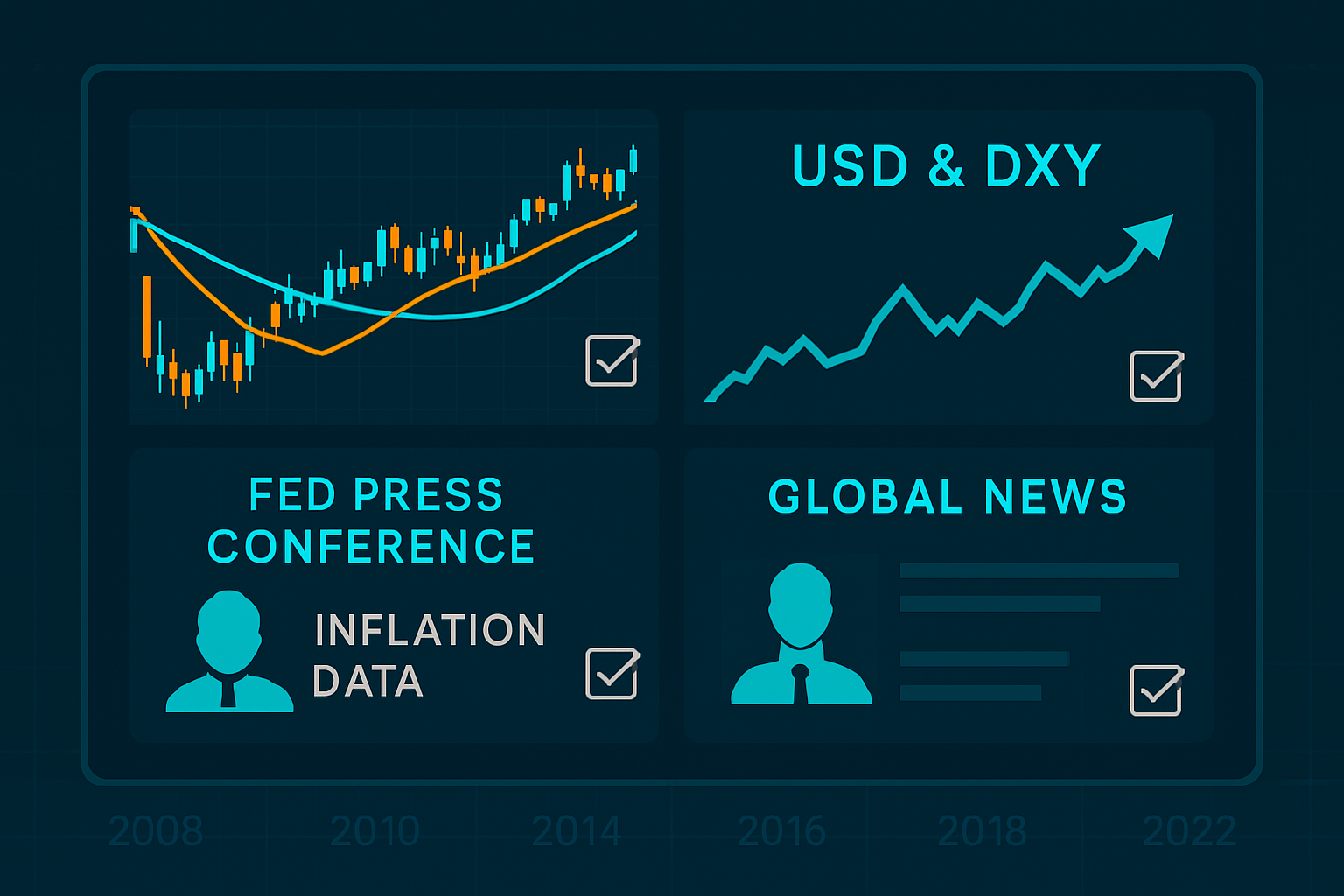
- Combine with Technical Analysis: Watch for patterns, trendlines, and moving averages on the DXY chart.
- Use in Multi-Pair Context: Always check how DXY movements align with your USD-based pairs.
- Keep an Eye on Fed Policy: Interest rate decisions, inflation data, and economic projections often drive DXY direction.
- Watch Global Events: Geopolitical risks and trade negotiations can cause sudden shifts in the index.
Final Thoughts
The US Dollar Index is more than just a number it’s a reflection of global confidence in the dollar and, by extension, the US economy. For forex traders, understanding DXY movements can provide an extra edge when analyzing markets, identifying high-probability trades, and managing exposure to the world’s most influential currency.
By integrating the DXY into your trading routine, you can move beyond isolated pair analysis and gain a broader, more informed perspective on where the US dollar and potentially the entire forex market is headed next.